Scaling Design at QIC
Scaling Design Through Three Stages of Growth
In 2022, I took over a two-person Mobile Design Team at QIC during a period of rapid growth.
Over the following years, I built the foundations of a scalable design organization: establishing design operations, enabling team growth, leading the shift to product-based teams, and driving consistency across multiple product streams.
Key numbers
Stage 1 — Creating Predictability
Challenge
Design delivery was inconsistent and heavily dependent on individuals. There were no established workflows, review processes, or clear collaboration with engineering.
What I Did
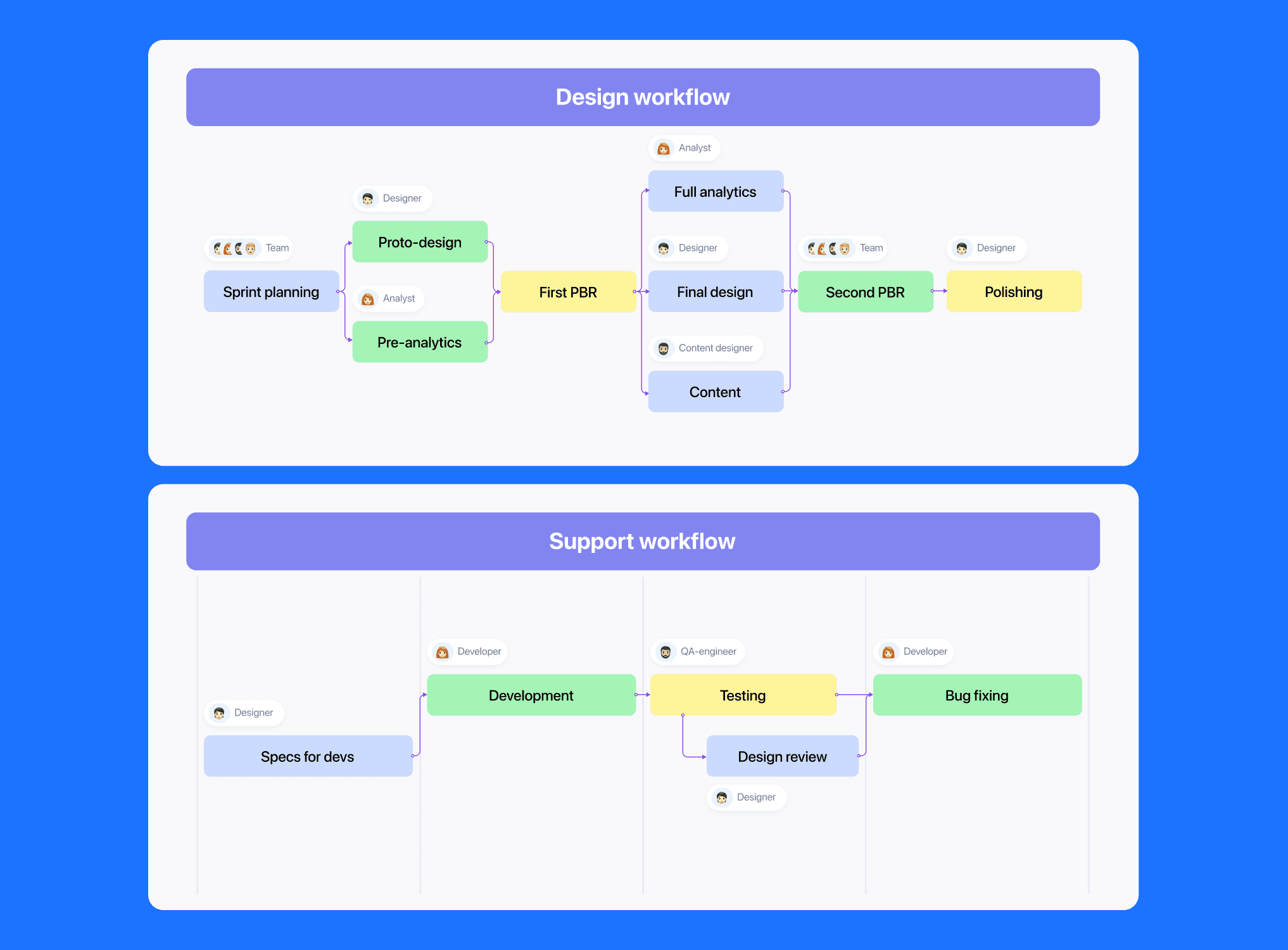
Introduced an end-to-end design delivery process
Established design reviews and quality checkpoints
Standardized design-engineering collaboration
Reorganized Figma assets and documentation
Laid the foundation for a Design System
Outcome
The new operating model significantly improved delivery predictability and reduced design bottlenecks.
Design Time-to-Market was reduced from 4 weeks to 2 weeks while maintaining quality standards.

Stage 2 — Building for Scale
Challenge
As the team grew, we needed repeatable systems for hiring, onboarding, and performance management.
What I Did
Built a hiring framework for Product Designers
Introduced grading and performance evaluation
Created onboarding and growth programs
Defined clear career development paths
Outcome
Design evolved from a small team into a scalable organizational function with transparent growth and hiring processes.

Stage 3 —
From Platforms to Product Verticals
Challenge
The company was transitioning toward an ecosystem model, while design teams were still organized around platforms.
What I Did
Collaborated with fellow Leads to drive the transition from platform teams to cross-platform product units
Established onboarding process to help designers quickly ramp up on new platforms
Established collaboration across product verticals
Introduced practices focused on cross-product consistency
Outcome
Design became better aligned with business goals, customer journeys, and ecosystem thinking.

Driving Consistency and Future-Ready Design Practices
As the organization expanded across multiple products and product streams, maintaining consistency became a strategic challenge.
Alongside the transition to product verticals, I focused on creating shared principles, reusable patterns, and stronger alignment between teams. This work helped increase Design System adoption, improve cross-platform experiences, and strengthen ecosystem thinking across the organization.
At the same time, I collaborated with other Design Leads to prepare teams for emerging ways of working. Together, we defined a shared approach to AI-assisted design, established workflows and best practices, and supported adoption across multiple teams.
Outcome
Increased consistency across products and platforms
Strengthened alignment between seven product streams
Improved Design System adoption and reuse
Established a scalable framework for AI-enabled design work